Migration is often portrayed as a hopeful journey toward a better life, yet it rarely comes without emotional baggage. In Odo by C. S. Johns, the haunting figure of the Abiku—a West African demon that preys on children—follows a young Nigerian couple, Faustin and Jeanine, across continents. While the story unfolds as a supernatural thriller, the demon’s ability to cross borders serves as a powerful metaphor for the psychological weight many immigrants carry with them. The past, in the form of ancestral spirits and cultural trauma, does not stay behind when one relocates—it finds a way to follow.
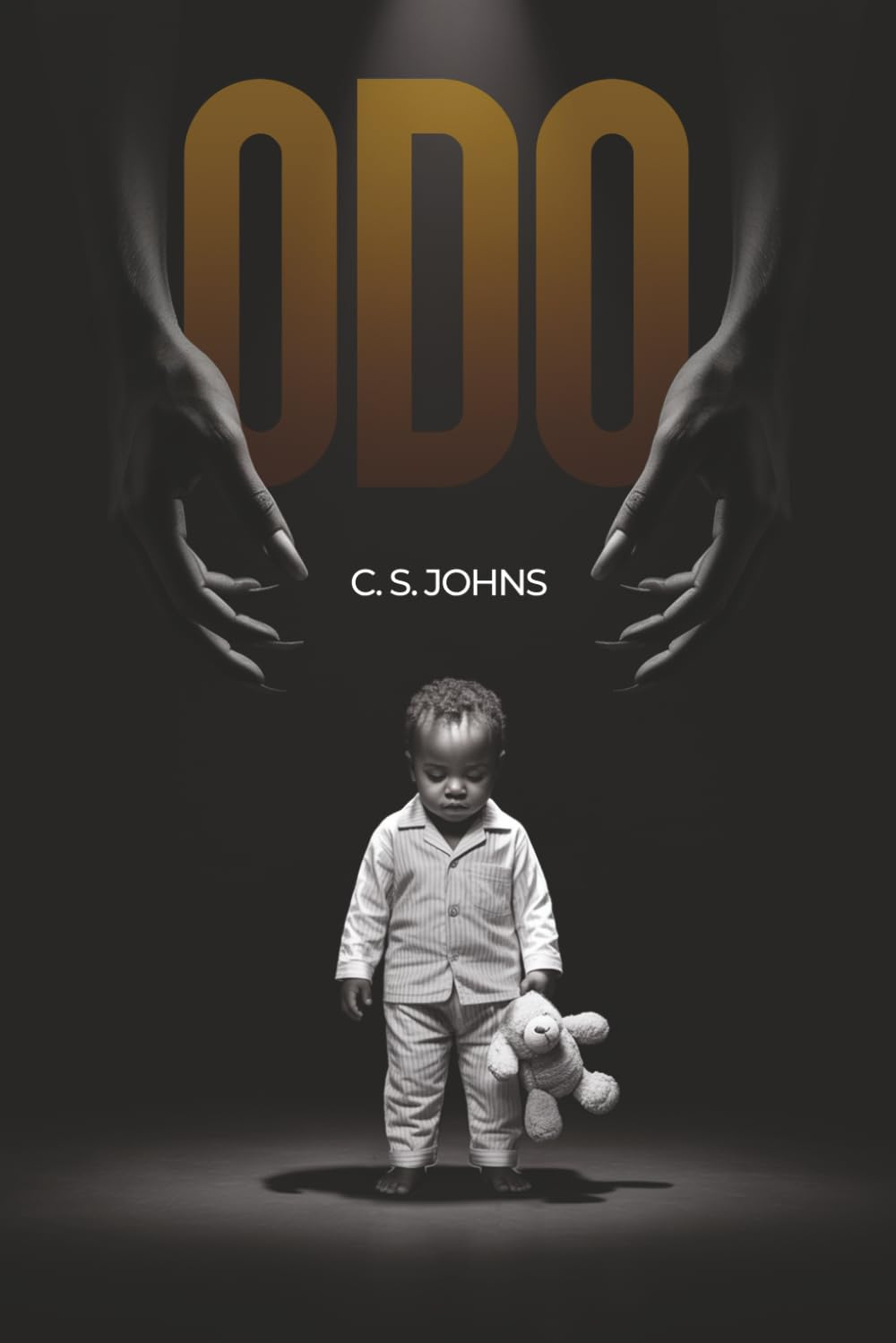
The Abiku is rooted in Yoruba mythology and traditionally haunts families in Nigeria. However, in Odo, C. S. Johns reimagines this spirit as a transcontinental threat, one that continues its pursuit after Faustin and Jeanine migrate to the United States. The fact that the Abiku is not bound by geography suggests that the real horror lies not just in the creature itself, but in the emotional and spiritual baggage immigrants inherit. The demon’s relentless nature parallels the persistent fears migrants experience: fear for their children’s safety, fear of not belonging, and fear that their new life may not be as distant from old horrors as they hoped.
Upon moving to the U.S., Faustin—now a qualified doctor—believes he’s finally secured a safer, more stable life for his family. But their new environment is quickly contaminated by the same supernatural threat they thought they’d left behind. This disruption speaks to a central theme in Odo: safety is often an illusion for migrants, especially those whose cultural traumas are unspoken or unresolved. Despite new surroundings, new opportunities, and modern institutions like hospitals and schools, the past can re-emerge in unexpected and terrifying ways. C. S. Johns emphasizes that migration doesn’t sever spiritual ties—it can actually strengthen them through isolation and vulnerability.
Faustin’s struggle is not only external—fighting a demon—but also internal. He is torn between his medical training and his cultural upbringing. As he dismisses spiritual warnings and embraces science, the Abiku tightens its grip. This conflict mirrors the identity crisis many immigrants face: the pressure to assimilate versus the need to remain connected to one’s heritage. In Odo, the supernatural becomes a stand-in for the cultural uncertainty that exists in the immigrant psyche. The further Faustin moves from his cultural roots, the more he risks losing what matters most—his family.
Horror, at its best, uses fear to reveal deeper truths. In Odo, the fear of the unknown, of being hunted, and of failing to protect one’s child, all tie back to migration anxiety. The demon isn’t just a monster—it’s a manifestation of guilt, unresolved history, and the subconscious belief that one cannot truly escape their past. By allowing the Abiku to transcend borders, C. S. Johns transforms a cultural legend into a universal symbol of fear that speaks to anyone who has ever left home and wondered if they were truly free.
Odo by C. S. Johns isn’t just a story about a demon attacking a newborn—it’s a chilling exploration of how migration reshapes, but never erases, one’s identity and fears. The supernatural in the novel is more than a plot device; it is a metaphor for the emotional and spiritual challenges immigrants face when trying to reconcile two worlds. For readers, the message is clear: until we confront the spirits of our past, they will continue to follow us, no matter where we go.
Order your copy from Amazon to read the full story: https://www.amazon.com/dp/1968296719