In the chilling corridors of C.S. Johns’ novel “Odo,” the reader is gripped by a suspenseful descent into spiritual warfare, interwoven with African mythology, psychological tension, and the primal fear of losing a child. This supernatural thriller and horror drama plunges readers into a multilayered battle of good versus evil that is both intimate and epic.
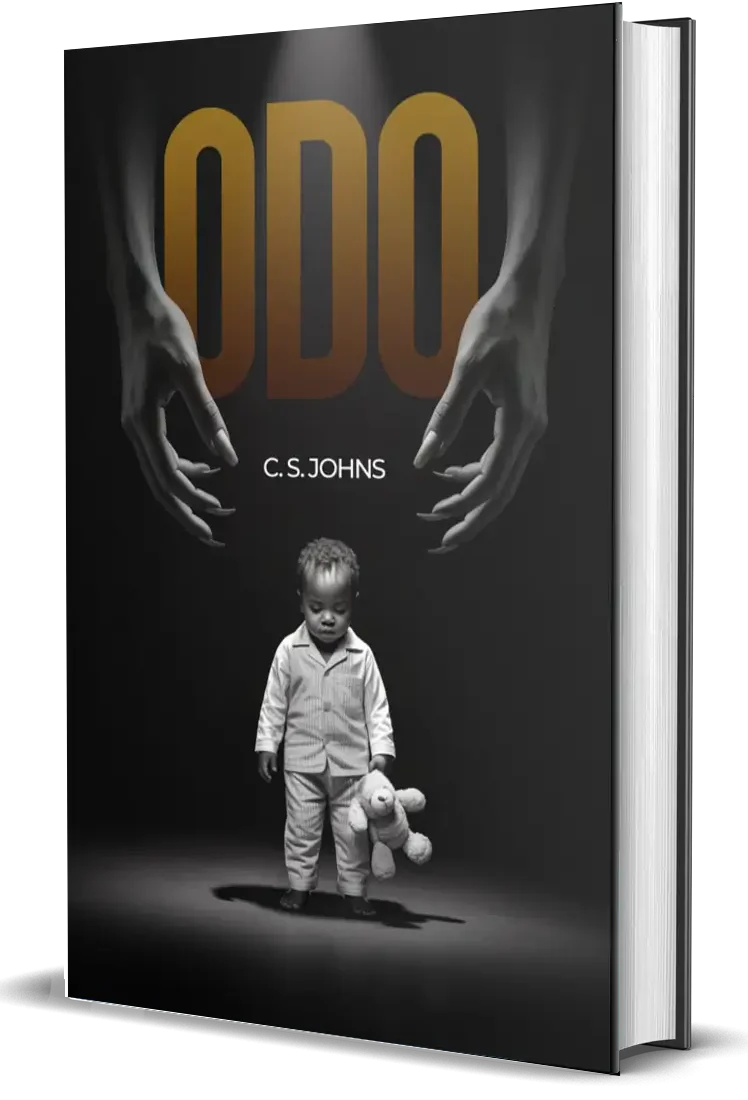
Set against the backdrop of modern Nigeria and the United States, the story centers on Faustin, a determined young doctor, and his wife Jeanine, as they await the birth of their first child, Odo. Unbeknownst to them, their child is targeted by the Abiku—a malevolent child spirit from Yoruba mythology that thrives on death and youth. What follows is a mesmerizing tale of spiritual possession, ritual folklore, and the thin veil between the living and the dead.
Johns does not merely dabble in African mythology—he immerses the reader in it. The Abiku is rendered with chilling detail, a shapeshifter that manipulates dreams and realities, feeding off generational pain. The horror is not only supernatural but deeply psychological. Jeanine’s maternal instincts clash with visions and torments, while Faustin, logical and scientific, must reconcile his disbelief with an unfolding nightmare.
“Odo” shines in its portrayal of faith and fear, especially through Faustin’s childhood memories of ancestral warnings and his friend John’s superstitions. The tension between modernity and tradition is palpable, as the protagonist’s rational worldview is slowly dismantled by encounters too vivid to dismiss. The book is rich in spiritual symbolism, particularly with the cursed amulet and the haunting forest of Odo Okan, a graveyard of stolen youth.
Johns handles the pacing with mastery. Each chapter delves deeper into terror, yet also into humanity. The unraveling of Faustin’s logical mind mirrors the reader’s own journey through doubt and dread. The climactic confrontations are rendered with visceral suspense, where love, sacrifice, and faith become weapons against darkness.
But perhaps the most striking aspect of “Odo” is its thematic core: the protection of innocence. Odo is not just a baby; he is a symbol of hope, continuity, and ancestral legacy. The Abiku’s obsession with him represents the larger spiritual conflict faced by many families navigating trauma, displacement, and generational scars.
In the end, “Odo” is more than a horror story. It is a deeply moving, culturally rich, and spiritually resonant narrative that lingers like a whispered warning. For fans of paranormal mystery and horror drama, C.S. Johns’ “Odo” is an unforgettable journey through darkness, anchored by love and the unyielding will to protect what matters most.